
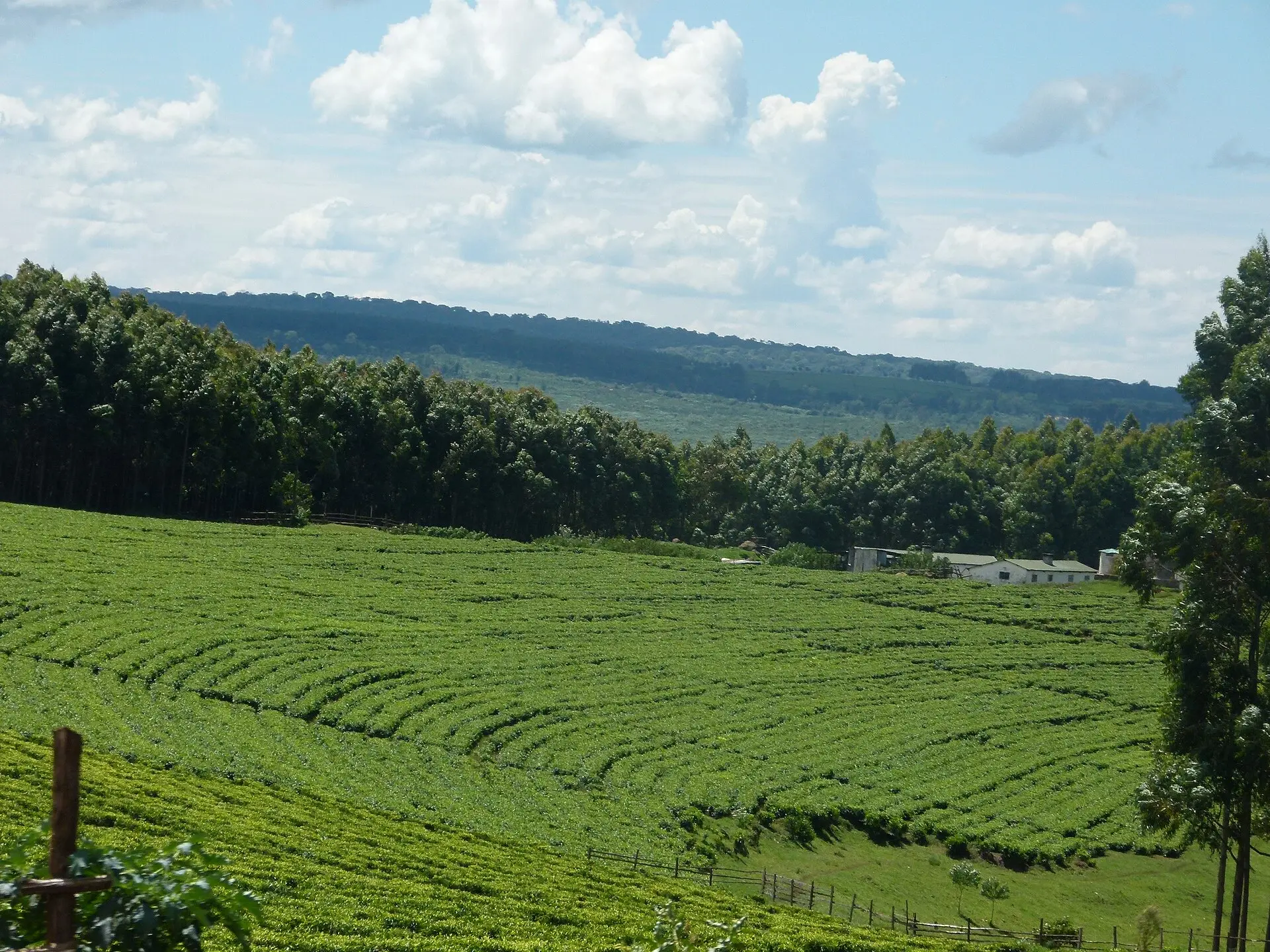
Pakistan is a major buyer of Kenyan tea, and blenders looking for Kenya tea exporters to Pakistan know the grades they want before they ask for a price. IndoAsilia sources black CTC tea in the main primary and secondary grades, including BP1, PF1, PD, D1 and Fannings, along with orthodox tea when a buyer needs it. Much of the tea grown in the region is traded through Mombasa, and our registered office in the same city keeps our team close to the warehouses where teas are stored and loaded.
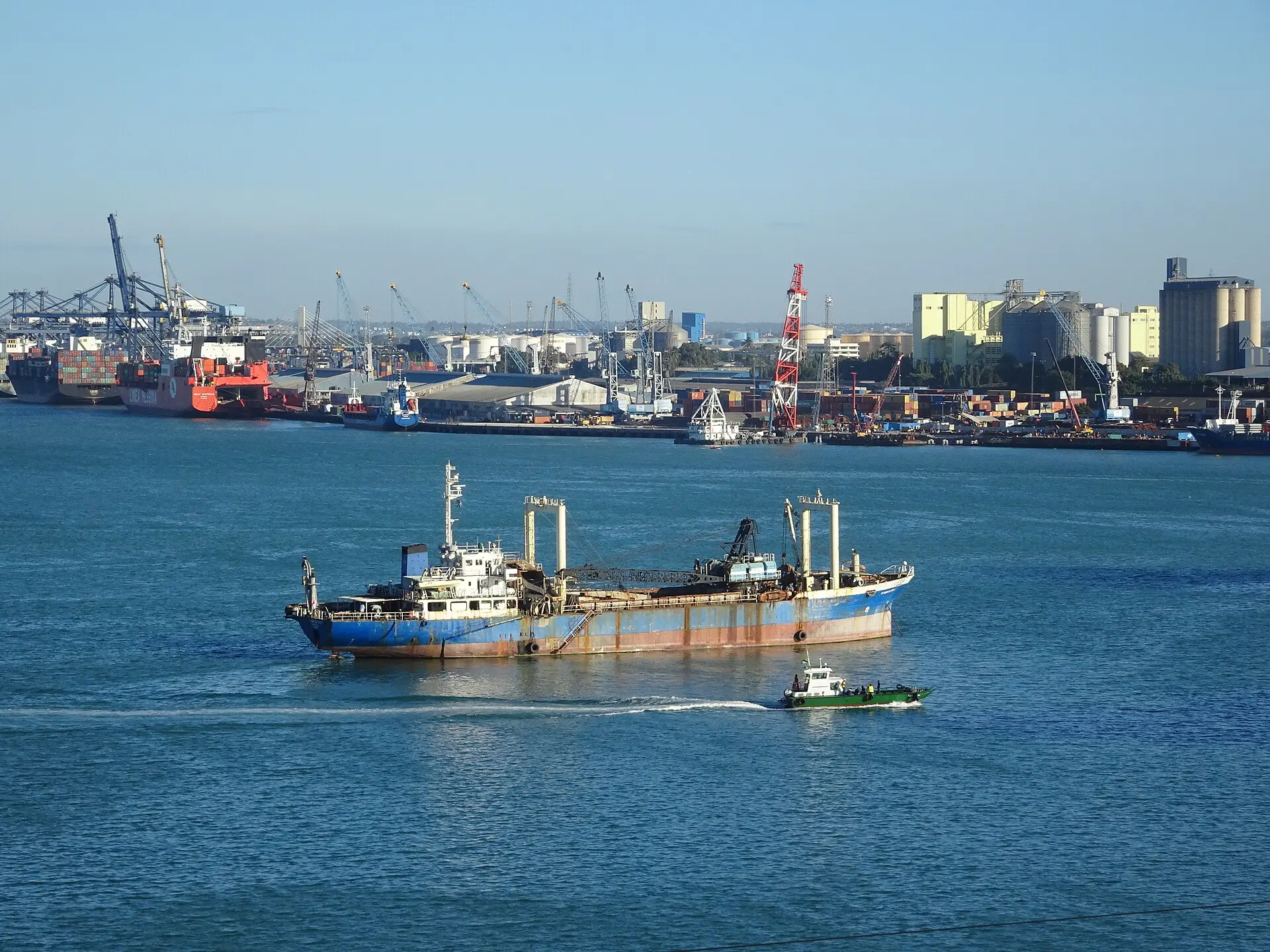
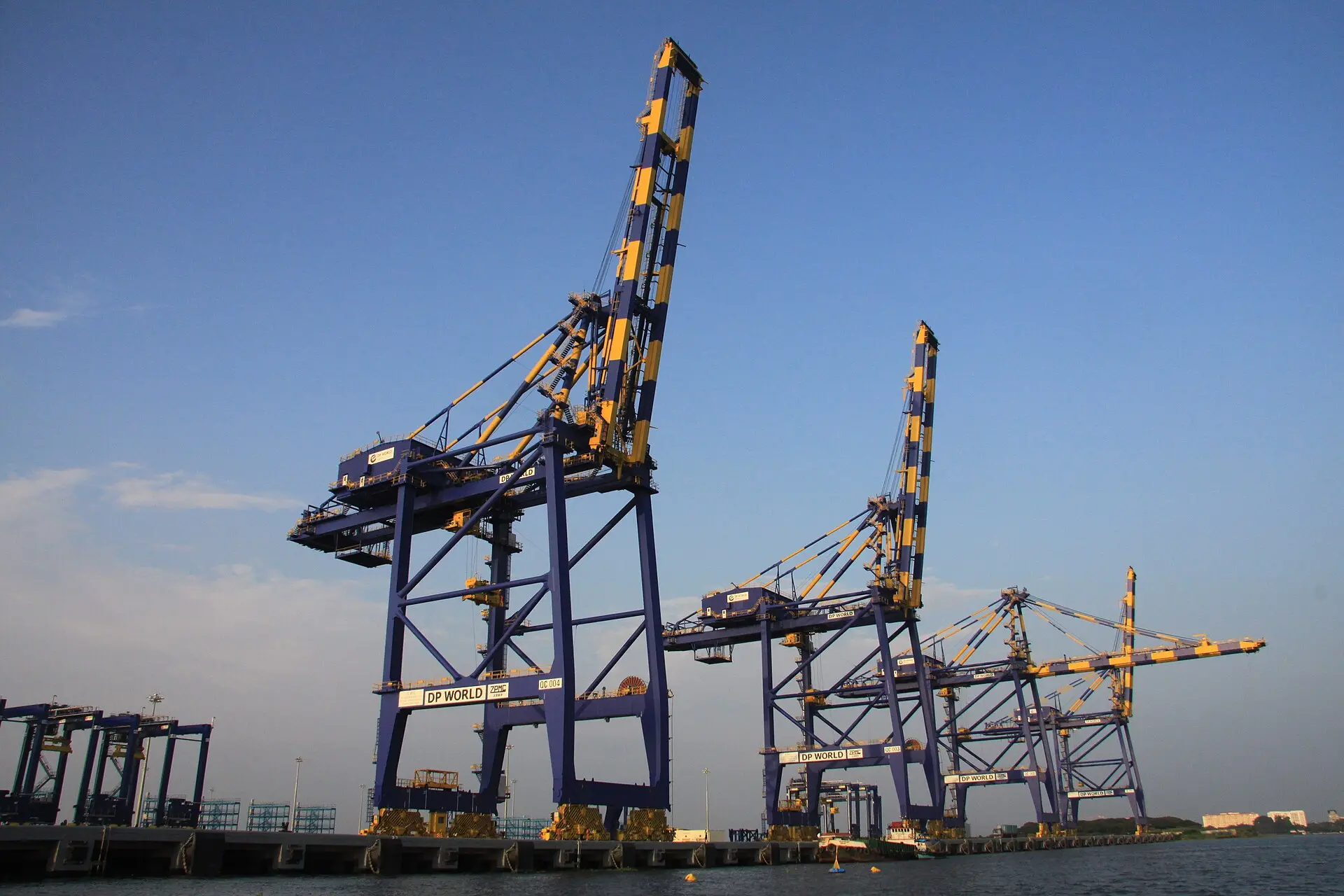
We source and export against confirmed bulk orders, through the appropriate licensed channels, to the grade, garden mark or blend standard agreed with the buyer. Tea is produced through the year in Kenya, with quality and quantity moving with the weather. It is packed in multi-wall paper sacks and loaded in 20ft or 40ft containers at Mombasa or Dar es Salaam for Karachi, Mundra or Nhava Sheva. Buyers who import tea from Kenya to India can work through our Ahmedabad office, and imports remain subject to the current requirements of the destination country.
Countries we trade it in


Varieties and grades
BP1 (Broken Pekoe 1)
The largest of the primary CTC grades, with an even, granular appearance. Typically used in loose-leaf blends where leaf size is visible to the consumer.
- Grade type
- Black CTC, primary grade
- Leaf / particle
- Largest CTC granule
- Liquor
- Typically bright, with a lighter body
- Typical use
- Loose-leaf blends
PF1 (Pekoe Fannings 1)
The most widely traded Kenyan CTC grade: black, grainy and smaller than BP1. It brews a strong, coloury cup and suits both tea bags and loose blends.
- Grade type
- Black CTC, primary grade
- Leaf / particle
- Medium, even grain
- Liquor
- Typically strong and coloury
- Typical use
- Tea bags and blends
PD (Pekoe Dust)
A fine primary grade that infuses quickly and gives a thick, strong liquor. Popular in markets that drink tea with milk.
- Grade type
- Black CTC, primary grade
- Leaf / particle
- Fine
- Liquor
- Typically thick and strong, quick brewing
- Typical use
- Milk tea blends, tea bags
D1 (Dust 1)
The finest of the primary CTC grades, giving the strongest and quickest cup. Used where strength and cuppage per kilo are the priority.
- Grade type
- Black CTC, primary grade
- Leaf / particle
- Very fine
- Liquor
- Typically very strong and dark
- Typical use
- Strong blends, tea bags
Fannings
Secondary CTC grades with a more mixed, lighter particle and some fibre. Bought to balance the cost of a blend.
- Grade type
- Black CTC, secondary grade
- Leaf / particle
- Mixed, with some fibre
- Typical use
- Blending
Orthodox Black Tea
Rolled leaf tea made by the orthodox method in whole and broken leaf grades. Produced in smaller quantities than CTC and offered on request, subject to availability.
- Grade type
- Black orthodox, whole and broken leaf
- Leaf / particle
- Twisted leaf
- Liquor
- Typically lighter and more aromatic than CTC
Specifications are typical trade parameters. The contract specification for each shipment is confirmed in the written offer.
Trade terms
- Packing
- Multi-wall paper sacks, palletised or loose-loaded; net weight per sack varies by grade.
- Minimum order
- Typically one 20ft or 40ft container. Bulk orders only.
- Shipment
- Containers from Mombasa or Dar es Salaam to Karachi, Mundra or Nhava Sheva (JNPT).
- Incoterms
- FOB Mombasa or FOB Dar es Salaam; CFR or CIF to the destination port by agreement.
- Inspection
- Samples approved by the buyer before shipment; independent inspection at loading, with our own team on site at the warehouse before the deal is closed and when the container is loaded.
- Documents
- Commercial invoice, packing list, bill of lading, certificate of origin, phytosanitary certificate and fumigation certificate as applicable.
Routes for this commodity
Frequently asked questions
01What is the minimum order for tea?
The minimum is typically one 20ft or 40ft container, which can be made up of more than one grade by agreement. We handle bulk orders only and source against a confirmed order.
02Is Kenyan tea available all year?
Yes. Tea is plucked and manufactured through the year in Kenya, so supply is continuous. Quantity and cup quality move with the rains and the cooler or drier months, so we confirm what is available at the time of enquiry.
03How do you make sure the tea shipped matches the sample?
The buyer approves samples of the grades or marks before we commit to the lot. Our own team is then at the warehouse before the deal is closed and at loading to check grades, invoice marks, sack condition and counts against the contract. An independent inspection company can also be appointed.
04Which ports do you ship tea from and to?
Most tea loads at Mombasa, and Tanzanian tea can also load at Dar es Salaam. For Pakistan the discharge port is Karachi, and for India it is usually Mundra or Nhava Sheva (JNPT).
05How do I get a quote for tea?
Send us the grades, any preferred garden marks or cup standard, the quantity, destination port and preferred Incoterm through the enquiry form on this site. We reply with what is available and an offer for that specification, and samples can be arranged before a contract is signed.