
Mombasa and Dar es Salaam to Karachi and Mundra
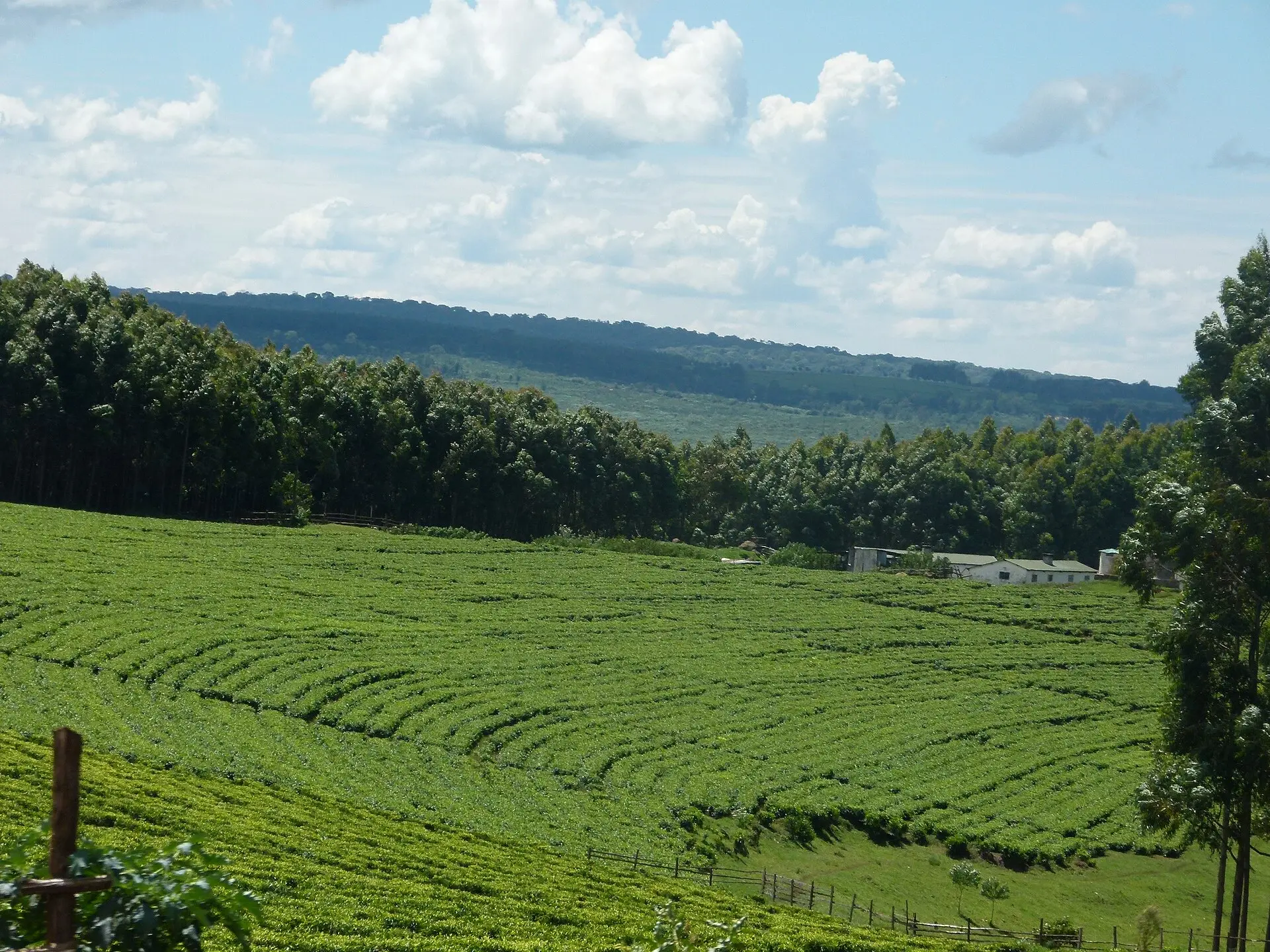
Mombasa is the main gateway for East African tea, and most tea on this route is warehoused and loaded there. Coffee from Kenya is also shipped through Mombasa, while Tanzanian coffee and tea can be loaded at Dar es Salaam. Both products travel in dry containers, packed in paper sacks or bags suited to the product, to Karachi or Port Qasim for Pakistan and to Mundra for India.
Tea and coffee are regulated crops in both Kenya and Tanzania. Buying and export follow the marketing rules, licences and permits in force at the time, whether the product is bought through the auction or by direct sale. Import into Pakistan and India is subject to the food and plant health requirements of each country. We confirm the full chain before accepting an order.
Tea and coffee grades we source
Pakistan is a long-standing buyer of Kenyan black tea, most of it CTC tea in grades such as BP1, PF1, PD and Dust. We source the grades and the standard requested by the importer and match them against samples approved in advance. Tea from Tanzania can be offered alongside Kenyan tea where the buyer wants a different origin for a blend.
Coffee is supplied as green beans: Arabica from Kenya and Tanzania, and Robusta from Tanzania where required. Grade, screen size, crop year and moisture are agreed against a sample. Both tea and coffee are growth lines for IndoAsilia, handled only against confirmed bulk orders in full container loads. We do not publish stock lists, because we buy for a named order and not for speculation.
Sample approval and supervised loading
With tea and coffee the sample is the contract. We send samples of the actual lots to the importer for approval before purchase, and our team then checks that the lots delivered to the warehouse are the lots that were approved. Lot numbers, grades and weights are recorded and shared. The importer is not asked to commit before seeing this information.
Our registered office is in Mombasa, so our own staff attend container stuffing there, check that the container is clean, dry and free of odour, and record the seal number. For Tanzanian cargo our Dar es Salaam office does the same. For buyers in India our Ahmedabad office is the local contact; for Pakistan our team deals with the importer directly and visits when needed.
Frequently asked questions
01Which tea grades do you export to Pakistan?
Mainly Kenyan black CTC tea in grades such as BP1, PF1, PD and Dust, according to the standard requested by the importer. Lots are matched against samples approved before purchase.
02Do you export coffee to India and Pakistan?
Yes, against confirmed bulk orders. We supply green Arabica from Kenya and Tanzania and Robusta from Tanzania, subject to the marketing and export rules in force in the country of origin.
03Which ports do you ship tea and coffee to?
Karachi and Port Qasim in Pakistan, and Mundra in India. Cargo is loaded at Mombasa or Dar es Salaam depending on where it is sourced.
04Can I approve samples before you buy?
Yes. Samples of the actual lots are sent for approval before purchase, and our team checks that the lots loaded are the ones approved. This is a standard part of how we work.