
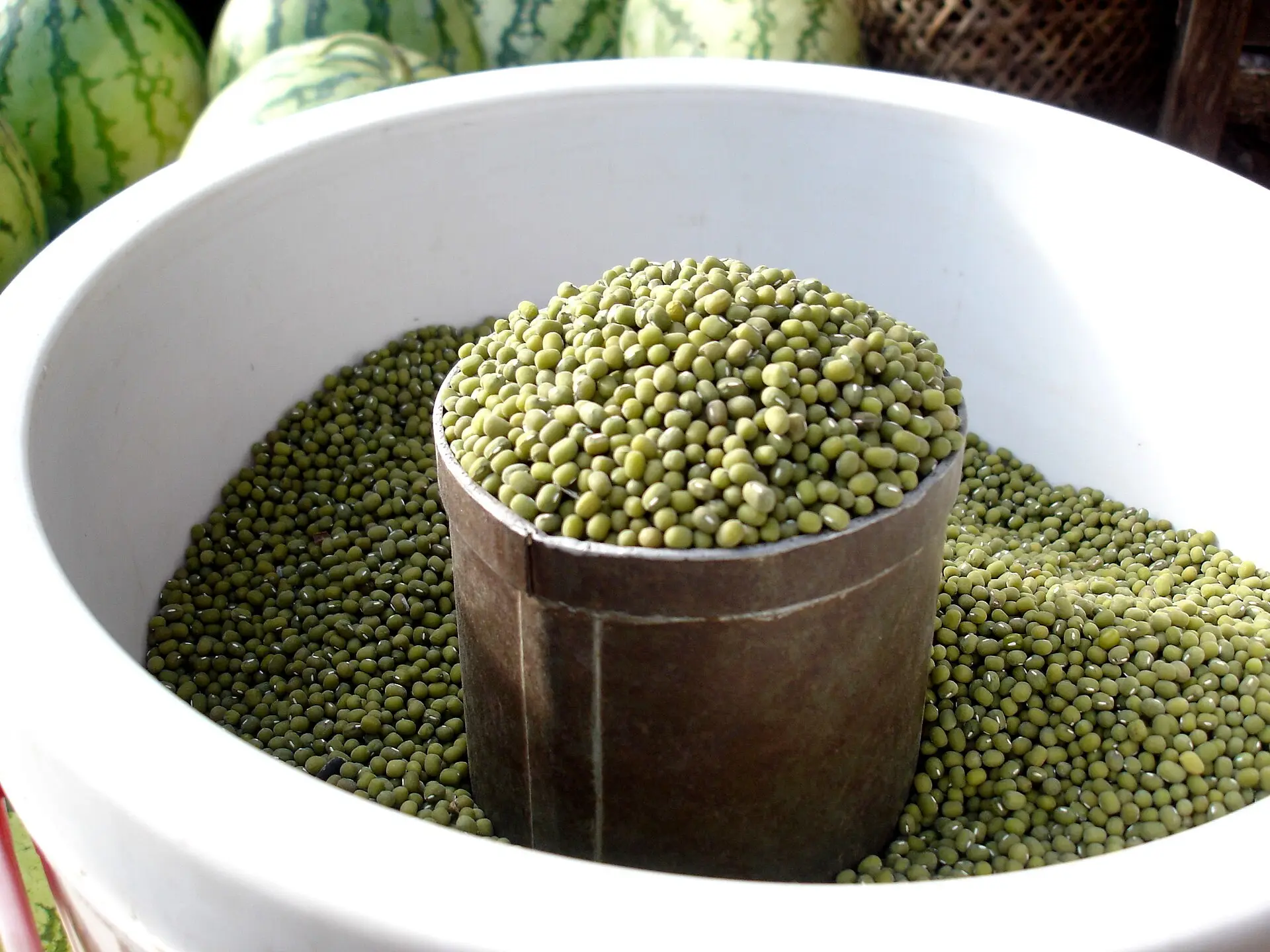
India is a major buyer of East African pigeon peas, and dal millers looking for pigeon peas exporters in Tanzania or Kenya tend to ask the same questions: what is the crop year, how clean is the lot, and who actually saw it before it was bagged. IndoAsilia sources whole pigeon peas (toor / arhar) and green gram (moong), along with yellow gram, cowpeas and red kidney beans, from farm-gate aggregation points and warehouses in both countries. We source and export against confirmed bulk orders only.
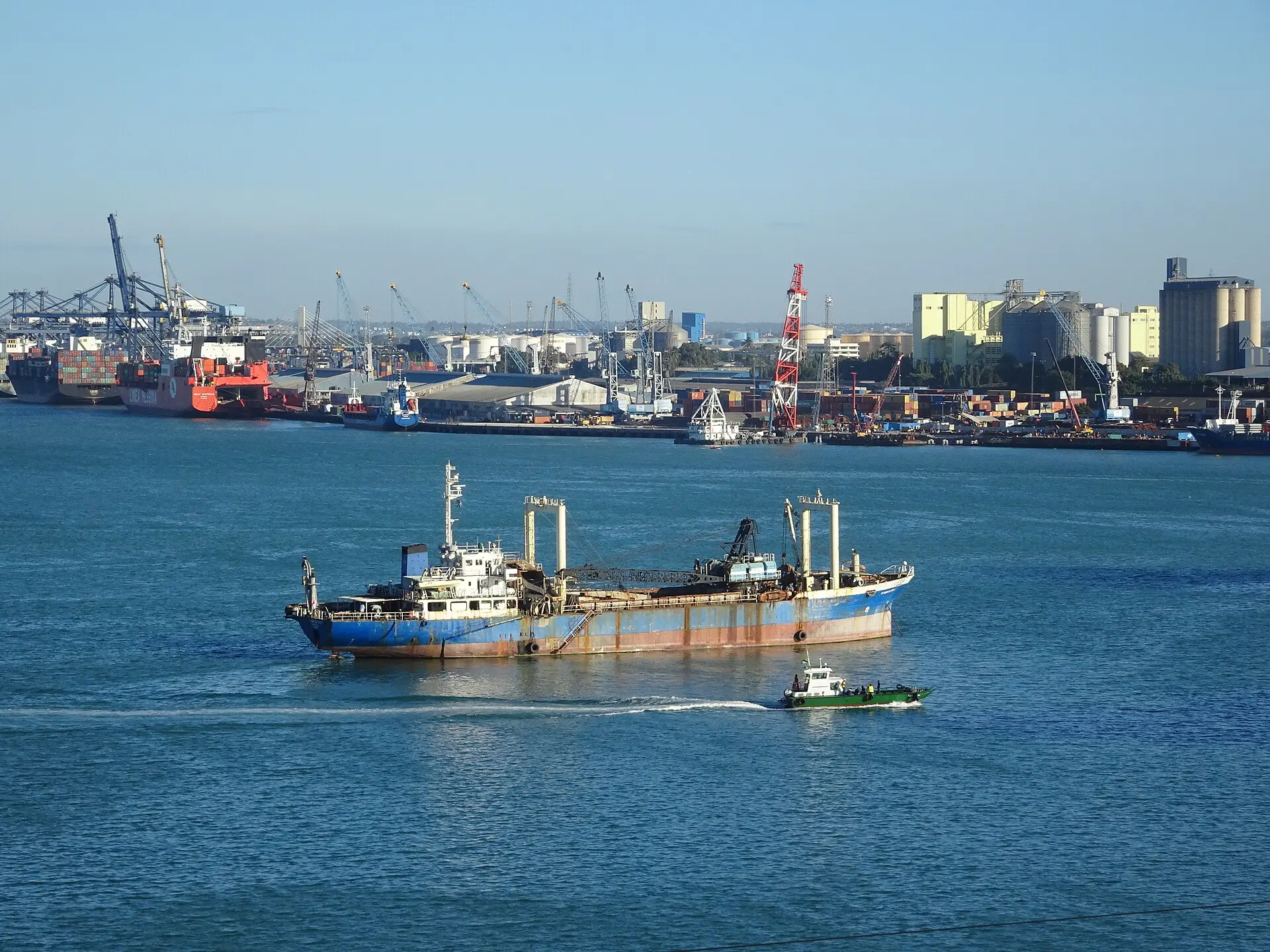
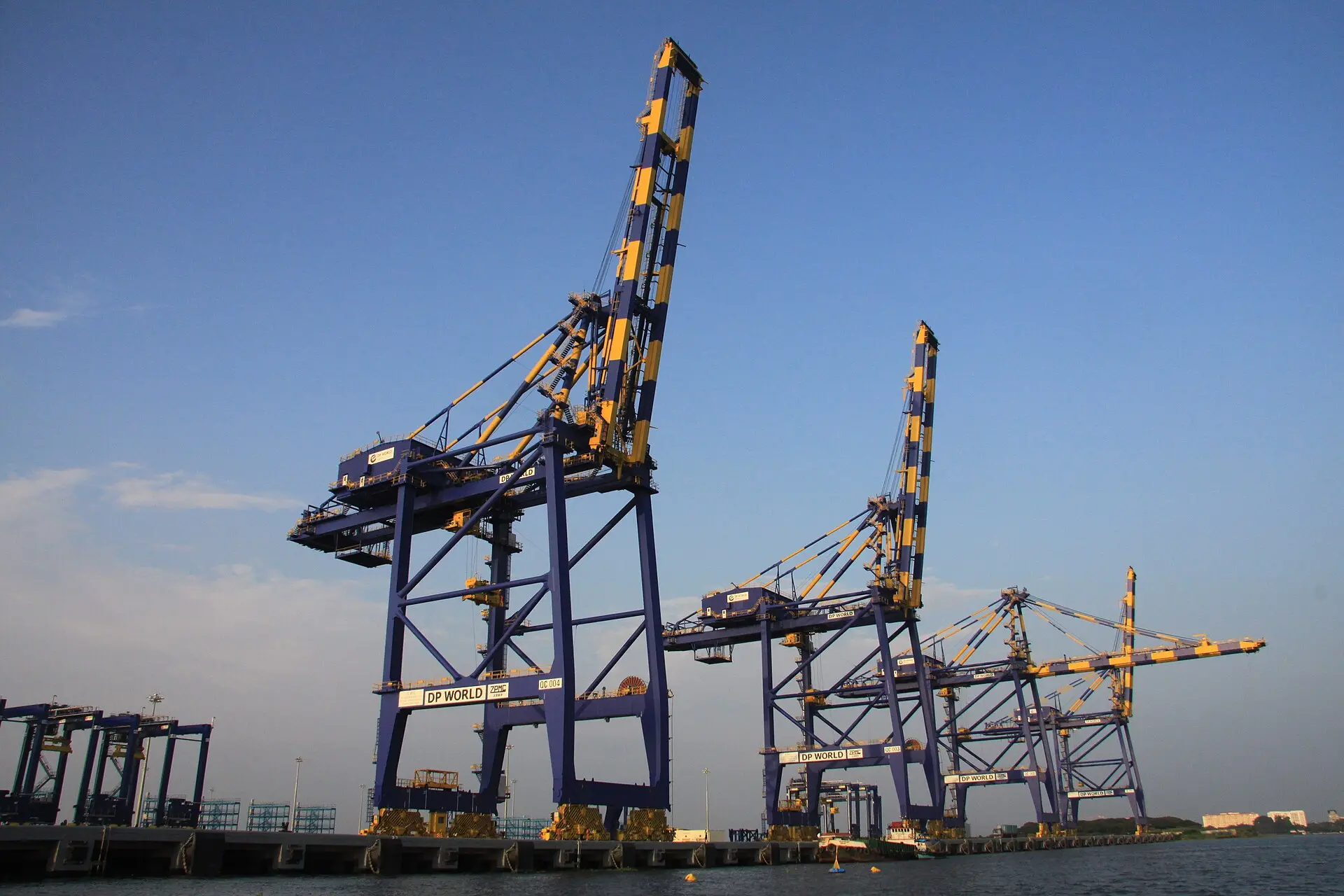
The pigeon pea harvest in Tanzania and Kenya generally arrives in the second half of the year, which complements the Indian crop calendar, while green gram follows the local rainy seasons. Lots are cleaned and graded to typical trade parameters for moisture, foreign matter, weevilled grains and size, then packed in 50 kg polypropylene bags. Shipments move in containers from Dar es Salaam or Mombasa to Mundra, Nhava Sheva or Karachi. Import of pulses is subject to the current import policy and phytosanitary requirements of the destination country.
Buyers who import green gram from Kenya or toor from Tanzania often worry about the gap between the sample and the shipped lot. Our answer is presence: our own team is at the aggregation point and the warehouse before a deal is closed, and at the container when it is loaded. An independent inspection company can verify quality and weight at loading. Our Ahmedabad office supports Indian buyers locally, and the founders bring more than 25 years of combined commodity trading experience to each contract.
Countries we trade it in

Popular varieties in detail
Varieties and grades
Pigeon Peas (Toor / Arhar Whole)
Whole dried pigeon peas, known locally as mbaazi, bought mainly by Indian dal mills for splitting into toor dal. Supplied machine-cleaned by crop year.
- Moisture
- Typically 12% max
- Foreign matter
- Typically 1 to 2% max
- Damaged / weevilled
- Typically 2 to 3% max
- Colour
- White / cream or red, as contracted
Green Gram (Moong)
Green gram, called choroko in Tanzania and ndengu in Kenya, sold whole for sprouting, cooking or splitting into moong dal. Bold, bright green lots are preferred.
- Moisture
- Typically 12% max
- Size
- Typically 3.0 mm and above; bolder sizes on request
- Foreign matter
- Typically 1% max
- Damaged / weevilled
- Typically 2% max
Yellow Gram
Yellow-seeded gram traded in East Africa alongside green gram. Availability is seasonal and the exact type is confirmed against a sample before contract.
- Moisture
- Typically 12% max
- Foreign matter
- Typically 1% max
- Damaged / weevilled
- Typically 2% max
Cowpeas (Kunde)
Dried cowpeas, known as kunde, supplied whole in cream, brown or mixed colours depending on origin and season.
- Moisture
- Typically 12 to 13% max
- Foreign matter
- Typically 1% max
- Damaged / weevilled
- Typically 2 to 3% max
Red Kidney Beans
Dark red and speckled kidney beans from the highland bean-growing areas of Tanzania and Kenya, sold as rajma in South Asian markets.
- Moisture
- Typically 14% max
- Foreign matter
- Typically 1% max
- Damaged / weevilled
- Typically 2 to 3% max
- Size
- Uniform, graded per contract
Specifications are typical trade parameters. The contract specification for each shipment is confirmed in the written offer.
Trade terms
- Packing
- Typically new 50 kg polypropylene bags; jute bags or other weights by agreement.
- Minimum order
- Typically one 20ft or 40ft container. Bulk orders only.
- Shipment
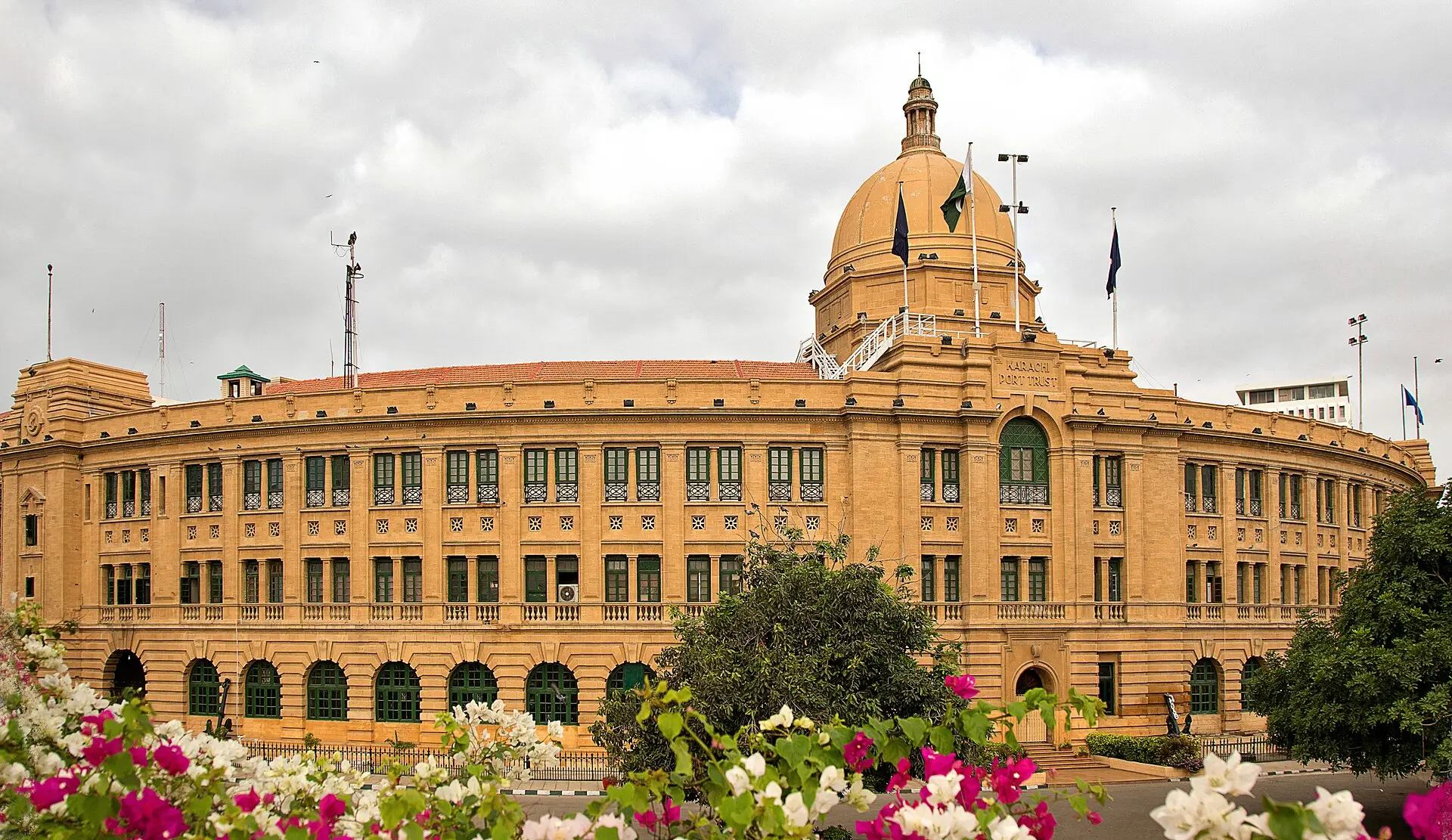
- Containers from Dar es Salaam or Mombasa to Mundra, Nhava Sheva (JNPT) or Karachi.
- Incoterms
- FOB Mombasa or FOB Dar es Salaam; CFR or CIF to the destination port by agreement.
- Inspection
- Independent inspection of quality and weight at loading, with our own team on site before the deal is closed and when the container is loaded.
- Documents
- Commercial invoice, packing list, bill of lading, certificate of origin, phytosanitary certificate and fumigation certificate as applicable.
Routes for this commodity
Frequently asked questions
01What is the minimum order for pigeon peas or green gram?
The minimum is typically one 20ft or 40ft container of a single product and grade. We handle bulk orders only and source each lot against a confirmed order, so we do not sell small parcels or mixed part loads.
02When are pigeon peas and green gram harvested in East Africa?
Pigeon peas in Tanzania and Kenya are generally harvested in the second half of the year, with new crop usually reaching the market from around August onwards. Green gram follows the local rainy seasons and can have more than one harvest in a year. Timing shifts with the rains, so we confirm crop year and availability when you enquire.
03How is the quality of pulses verified?
Our own team is at the aggregation point and warehouse before a deal is closed, checking moisture, foreign matter, weevil damage and size against the contract. At loading, an independent inspection company can sample the lot and certify quality and weight. We share the reports and loading photos with the buyer.
04Which ports do you ship pulses from and to?
Tanzanian pulses load at Dar es Salaam and Kenyan pulses at Mombasa. For India the usual discharge ports are Mundra and Nhava Sheva (JNPT), and for Pakistan it is Karachi. Other ports can be discussed on a CFR or CIF basis.
05How do I get a quote for pulses from Tanzania or Kenya?
Send us the product, quality parameters, quantity, packing, destination port and preferred Incoterm through the enquiry form on this site. We check current availability at origin and reply with an offer for that specification. Indian buyers can also work through our Ahmedabad office.