
How the India to Kenya route works
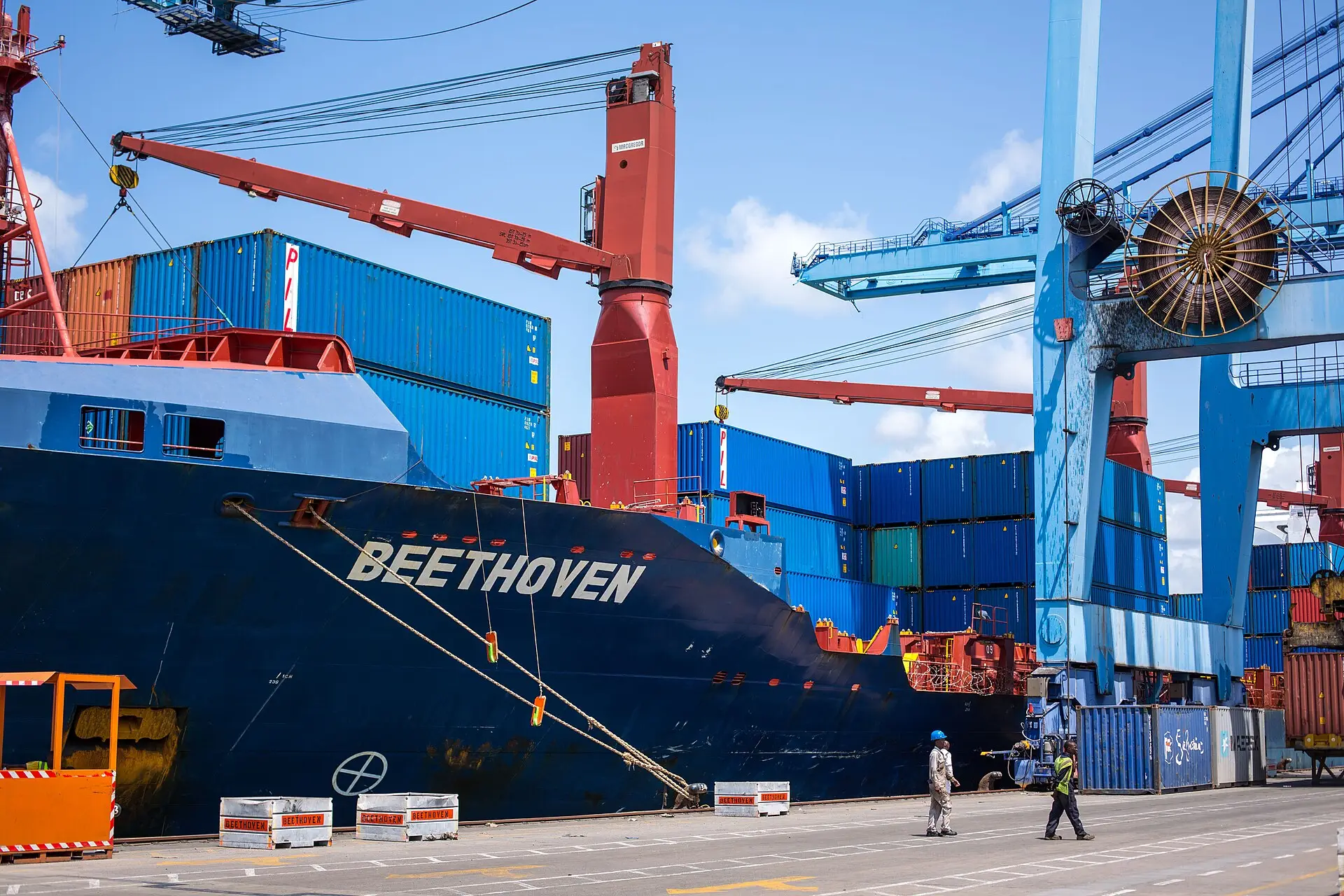
Rice bought in India is milled and packed in the main producing states, then moved by road or rail to the west coast ports of Mundra, Kandla or Nhava Sheva. From there it sails across the Arabian Sea to Mombasa, in containers or as break bulk depending on the size of the order. Our India office in Ahmedabad, Gujarat is close to Mundra and Kandla, which lets our team follow the cargo from mill to vessel.
On arrival in Mombasa the cargo is cleared through customs and through the standards and plant health checks that apply at the time. It is then released to the buyer at the port or at a warehouse, or delivered by truck to Nairobi and other inland towns. Our registered office is in Mombasa, so the same company that loaded the goods in India is on the quay when they are discharged.
What we ship from India to Kenya
Rice is the main line on this route. We supply the main Indian varieties, including Basmati types such as 1121 and Pusa, and non-Basmati rice such as long grain white, parboiled and broken rice. The variety, grade, broken percentage and packing are agreed with the buyer before sourcing starts. Availability of non-Basmati rice depends on the export policy in force in India at the time of shipment.
Alongside rice we import barley and chickpeas from India for Kenyan millers, processors, wholesalers and distributors. Chickpeas are offered in the commonly traded types and sizes, and barley according to the use the buyer has in mind, whether feed or processing. All three commodities are handled as bulk orders, for example full container loads or larger parcels. We do not sell retail quantities.
How we keep an India to Kenya deal transparent
IndoAsilia was registered in 2026, so we do not ask buyers to rely on a long company history. We rely on being present instead. Before a deal is closed our team visits the mill or supplier in India, checks the stock against the agreed specification and shares what it finds with the buyer. The founders bring more than 25 years of combined experience in commodity trading to that work.
The buyer receives the same information we have: the origin of the goods, the agreed specification, the inspection results and the shipping documents. Independent inspection can be arranged at loading if the buyer wants it, and pre-shipment verification is carried out as required by the destination standards bureau. Our team is at the loading port when the cargo is loaded, and in Mombasa when it is discharged.
Frequently asked questions
01Which Indian ports do you load rice from for Kenya?
We load mainly from Mundra, Kandla and Nhava Sheva on the west coast of India. The port is chosen according to where the rice is milled and which sailing suits the order. All cargo on this route is discharged at Mombasa.
02Which rice varieties can you import from India to Kenya?
We supply the main Indian varieties, both Basmati and non-Basmati, including white, parboiled and broken rice. The exact variety and grade are agreed with the buyer before sourcing. Non-Basmati supply is subject to the Indian export policy in force at the time.
03How long does a rice shipment from India to Mombasa take?
Sailing time is typically about 2 to 4 weeks port to port, depending on the shipping line and routing. Milling, packing, inspection and port clearance at both ends add to the total, so we agree a realistic schedule with the buyer for each order.
04Can I verify the rice before it is shipped?
Yes. Our team is on site at the mill and the loading port and shares its findings with the buyer before the deal is closed. Buyers can also appoint an independent inspection company or send their own representative to the loading.