
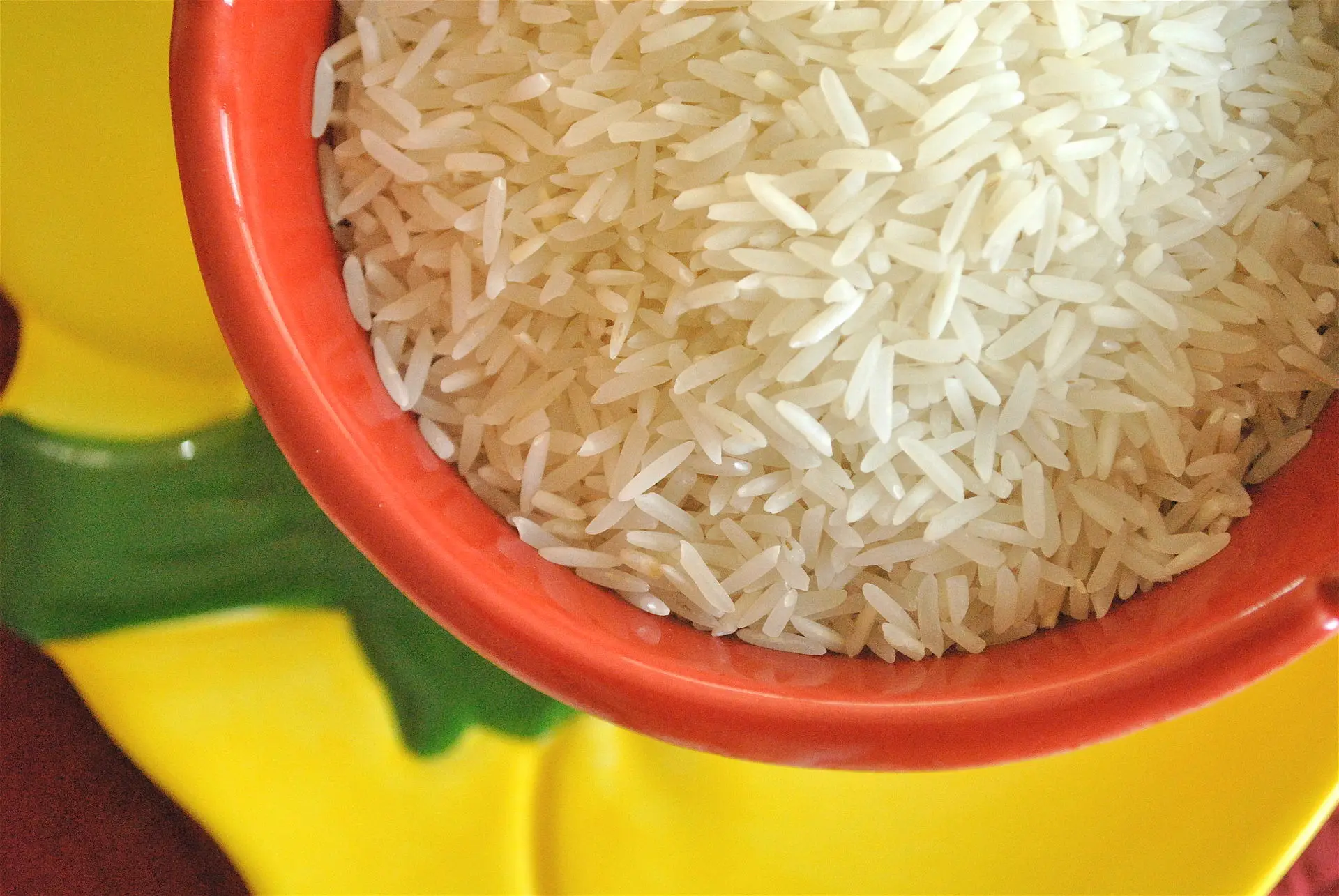
Varieties and grades
Supa / Kyela rice, Grade 1
- Broken grains
- Typically 10% max, as agreed per lot
- Moisture
- Typically 14% max
- Cleanliness
- Destoned and graded; free of visible foreign matter
- Typical buyers
- Retail packers, supermarkets and hotels
Supa / Kyela rice, Grade 2
- Broken grains
- Typically 20 to 25% max
- Moisture
- Typically 14% max
- Cleanliness
- Destoned and cleaned
- Typical buyers
- Wholesalers and open-market traders
Standard grade (higher broken)
- Broken grains
- Typically above 25%, agreed on sample
- Moisture
- Typically 14% max
- Typical buyers
- Institutions, canteens and price-led wholesale
Specifications are typical trade parameters. The contract specification for each shipment is confirmed in the written offer.
Supa rice and the districts that grow it
Aromatic rice from Tanzania is usually sold under the name Supa, and many buyers simply call it Kyela rice after the district near Lake Nyasa that made it known. The same type is grown on the Usangu plains of Mbeya, in the Kilombero valley of Morogoro and around Kahama in Shinyanga. Each area has its own reputation: Kyela and Mbeya for strong aroma, Morogoro for steady volume, Shinyanga for supply to the lake zone and northern routes. The grain is medium to long, cooks soft and slightly moist, and has a natural fragrance that East African households recognise at once.
Freshness, stones and broken grains: what is checked
Local rice is milled by many small and medium mills, so two bags labelled Kyela can differ widely. Three points decide the value. The first is freshness: aroma is strongest in the months after harvest and fades in old stock, so we ask for the crop season and smell and cook a sample. The second is stones and foreign matter, which depend on whether the mill runs a destoner and a grader. The third is the share of broken grains, which sets the grade.
Before a deal is closed, a member of our team goes to the mill or store, opens bags from different parts of the stack and draws a sample. Moisture is read with a meter, since rice bagged too damp can turn musty on a long road journey. Broken grains are separated and weighed, the sample is spread out and checked by hand for stones, husk and discoloured grains, and bags are check-weighed as the truck is loaded. Photographs and findings are sent to the buyer, and an independent inspection can be arranged if the buyer wants one.
Delivery by truck within Tanzania and to Kenya and Uganda
Rice is loaded at the mill or store in the growing area and trucked to Dar es Salaam, Arusha, Mwanza or other towns in Tanzania, or to the border for buyers in Kenya and Uganda. Trade in rice inside the East African Community is subject to permits, certificates and rules that the governments revise, and at times to temporary restrictions. We check what is in force when you enquire, state the required documents in the written offer and do not load a cross-border truck until they are in place.
Trade terms
- Packing
- New PP or non-woven bags of 25 kg or 50 kg; other sizes and buyer-brand bags on request.
- Minimum order
- Bulk orders only. Typically one 20ft container (about 25 MT) for imports, or one full truckload for regional and domestic deliveries.
- Shipment
- Full container loads (FCL) or break-bulk for imports through Mombasa and Dar es Salaam; trucks for regional and domestic deliveries.
- Incoterms
- FOB, CFR or CIF for imports; EXW or DAP for regional and domestic deliveries.
- Inspection
- Independent inspection at loading by a recognised inspection company, with our own team on site at loading and at discharge. Pre-shipment inspection as required by the destination bureau of standards.
- Documents
- Commercial invoice, packing list, bill of lading, certificate of origin, phytosanitary certificate and fumigation certificate, as applicable to the shipment.
Frequently asked questions
01What is Kyela rice?
Kyela rice is aromatic Supa-type rice grown in Kyela district in Mbeya region, in south-western Tanzania. The name is also used loosely in the market for similar aromatic rice from other areas, so we state the actual growing area of each lot in the offer.
02When is fresh-crop Tanzanian rice available?
The main harvest typically comes in around the middle of the year, with timing that varies by region and rainfall. Aroma is at its best in the months that follow. Later in the season the rice comes from stored stock, and we tell you which crop a lot belongs to.
03Is the rice free of stones?
Grade 1 lots are bought from mills that run destoning and grading equipment, and a sample is checked by hand before purchase. No field-grown rice can be guaranteed absolutely stone-free, so the tolerance is agreed in the contract and verified on the sample.
04Can you supply Tanzanian rice to buyers in Kenya and Uganda?
Yes, by truck, where the rules in force allow it. Cross-border rice movement needs the right permits and certificates on both sides, and the requirements change. We confirm the current position before quoting a delivered price to Nairobi, Mombasa or Kampala.
05Do you sell Kyela rice in small quantities?
No. We are a bulk trader, and regional supply typically starts at one full truckload. Bag size and delivery point are agreed in the contract. Shops and households are better served by a local wholesaler.