
Varieties and grades
IRRI-6 White, 5% broken
- Average grain length
- Typically about 6.0 mm
- Broken grains
- Typically 5% max
- Moisture
- Typically 14% max
- Typical buyers
- Retail packers and better wholesale trade
IRRI-6 White, 15% broken
- Broken grains
- Typically 15% max
- Moisture
- Typically 14% max
- Typical buyers
- General wholesalers, schools and canteens
IRRI-6 White, 25% broken
- Broken grains
- Typically 25% max
- Moisture
- Typically 14% max
- Typical buyers
- Open-market trade, feeding and relief programmes
IRRI-6, 100% broken
- Moisture
- Typically 14% max
- Description
- Small broken white rice separated during grading
- Typical buyers
- Processors, rice flour makers and feed
Specifications are typical trade parameters. The contract specification for each shipment is confirmed in the written offer.
The everyday rice of Sindh
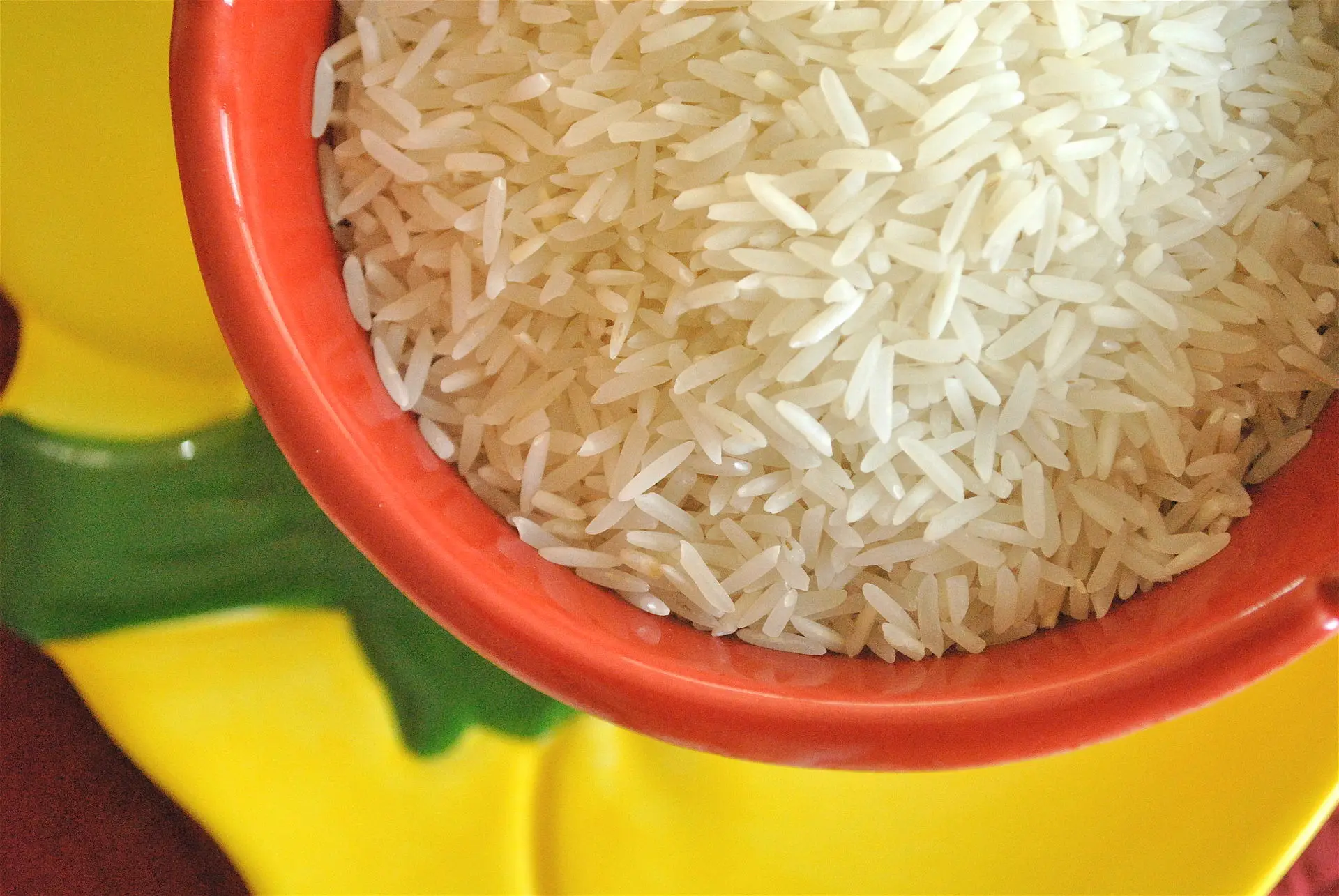
IRRI-6 is one of the highest-volume export rices of Pakistan. It is planted across the irrigated districts of Sindh, with further acreage in Balochistan, and reaches the mills after the autumn harvest. The grain is long but noticeably bolder than Basmati, typically about 6.0 mm, with a plain taste and no aroma. It cooks soft and absorbs sauces and stews well, which fits the way rice is eaten with beans, meat or vegetables in much of East Africa. Its place in the market is simple: a clean, filling white rice at the lowest practical cost per tonne.
How an IRRI-6 offer is graded and checked
Every IRRI-6 offer is defined by one number, the maximum share of broken grains. 5% broken is the top white grade for retail bags and better wholesale trade. 15% and 25% broken cost less and go to open-market wholesalers, schools, canteens and relief programmes. 100% broken is small broken rice for processors, flour and feed. Buyers who want a slightly longer grain at a modest premium can ask for IRRI-9, which typically averages around 6.5 mm and is graded in the same way.
With a low-margin rice, small deviations matter: two extra points of broken grains or short-weight bags can erase the profit on a container. Our own team is at the mill or warehouse before a deal is closed and draws samples from different parts of the stack. Broken grains are separated and weighed to give the percentage, moisture is read with a meter because damp rice can spoil on a sea voyage, and bags are check-weighed at loading. Fumigation and independent inspection are arranged as the contract or the destination requires, and the reports go to the buyer.
IRRI-6 and Indian IR-64 side by side
IRRI-6 and IR-64 serve the same buyers, so importers usually request offers for both. The grains differ slightly: IRRI-6 is the bolder, thicker grain, while IR-64 is a little slimmer and is more commonly traded in parboiled form. In practice the decision is made on landed cost at the time of purchase. Export policy in each origin, freight from Karachi against freight from Indian ports, and seasonal supply all move the comparison. We quote the origin that works on the day and say plainly when the other one is the better buy.
Trade terms
- Packing
- New PP or non-woven bags of 25 kg or 50 kg; other sizes and buyer-brand bags on request.
- Minimum order
- Bulk orders only. Typically one 20ft container (about 25 MT) for imports, or one full truckload for regional and domestic deliveries.
- Shipment
- Full container loads (FCL) or break-bulk for imports through Mombasa and Dar es Salaam; trucks for regional and domestic deliveries.
- Incoterms
- FOB, CFR or CIF for imports; EXW or DAP for regional and domestic deliveries.
- Inspection
- Independent inspection at loading by a recognised inspection company, with our own team on site at loading and at discharge. Pre-shipment inspection as required by the destination bureau of standards.
- Documents
- Commercial invoice, packing list, bill of lading, certificate of origin, phytosanitary certificate and fumigation certificate, as applicable to the shipment.
Frequently asked questions
01What does 5%, 15% or 25% broken mean for IRRI-6?
It is the maximum share, by weight, of grains shorter than the agreed fraction of a whole grain. A lower figure means more whole grains and a higher price. The percentage is measured on a sample taken from the lot and is written into the contract.
02How is IRRI-9 different from IRRI-6?
IRRI-9 is a related Pakistani long grain white rice with a somewhat longer grain, typically around 6.5 mm against about 6.0 mm for IRRI-6. It usually costs a little more and is chosen where the look of the cooked grain matters. Both are sold by broken percentage.
03Is IRRI-6 suitable for schools, institutions and relief supply?
Yes, this is where much of it is used. The 15% and 25% broken grades give a plain, filling white rice at a low cost per tonne. Tender and programme specifications vary, so send us the required parameters and we will offer against them.
04How is IRRI-6 packed for shipment to Mombasa?
It is normally shipped in polypropylene bags stuffed into 20ft containers, about 25 MT per container. Bag size and markings are agreed in the contract, and the bags are counted and check-weighed while the container is being loaded.
05Is the rice fumigated before it leaves Pakistan?
Fumigation of the stuffed container is standard practice for rice shipped by sea and is carried out as the contract and the importing country require. The fumigation certificate is included with the shipping documents where it is called for.