
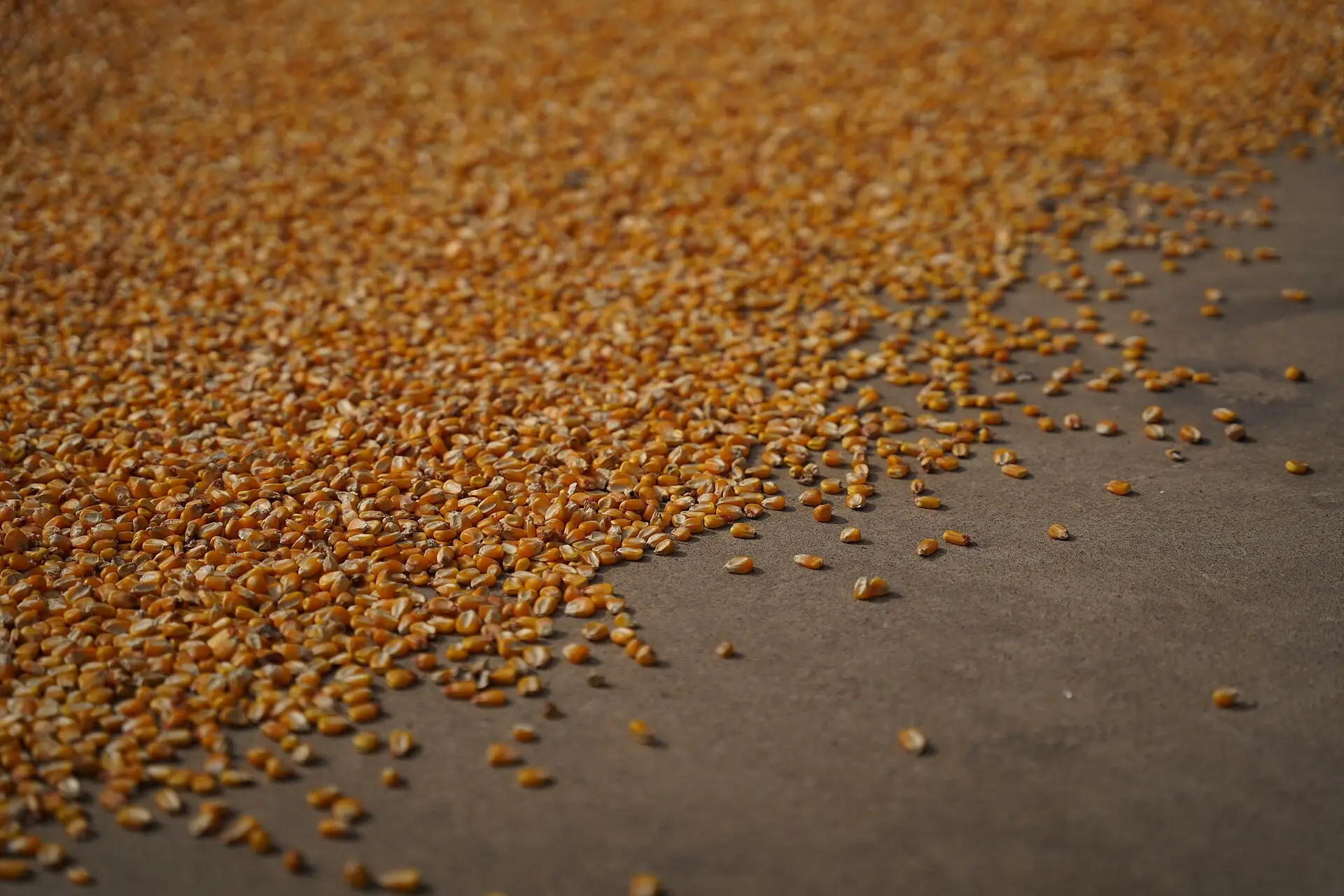
Varieties and grades
White maize, EAS Grade 1
- Moisture
- Typically 13.5% max
- Total aflatoxin
- Typically 10 ppb max under the East African Standard
- Broken, defective grains and foreign matter
- Within the Grade 1 limits of the East African Standard
- Typical use
- Sifted maize flour milling and institutional supply
White maize, EAS Grade 2
- Moisture
- Typically 13.5% max
- Total aflatoxin
- Typically 10 ppb max under the East African Standard
- Broken, defective grains and foreign matter
- Within the Grade 2 limits of the East African Standard
- Typical use
- General milling and wholesale trade
White maize, EAS Grade 3
- Moisture
- Typically 13.5% max
- Total aflatoxin
- Typically 10 ppb max under the East African Standard
- Broken, defective grains and foreign matter
- Within the Grade 3 limits of the East African Standard
- Typical use
- Price-sensitive wholesale and milling after further cleaning
Specifications are typical trade parameters. The contract specification for each shipment is confirmed in the written offer.
Why white maize is the staple grain of East Africa
White maize is the main food grain across Kenya, Tanzania and Uganda. It is milled into maize flour, known as unga, and cooked into ugali, the daily meal in most households, schools and institutions. Consumers expect white flour, which is why the regional trade is in white rather than yellow maize. Millers look for dry, clean, well-filled grain with few broken, discoloured or insect-damaged kernels, because moisture and defects reduce flour yield, shorten storage life and raise the risk of aflatoxin.
How we source and deliver white maize
We source white maize from Tanzanian growing regions such as Mbeya, Iringa, Ruvuma and Rukwa, along with other surplus areas as the season allows. Maize is aggregated at the farm gate and in stores, dried, cleaned and bagged, then loaded onto trucks for delivery to the buyer’s mill or store. Our own team is at the store when the lot is checked and loaded, and at the border when a consignment crosses, so the buyer deals with people who have seen the cargo.
Cross-border movement of maize within East Africa is subject to the permits and rules in force at the time. Governments may change export, import or food safety requirements during a season, and each border has its own inspection steps. We confirm what applies when you place your order and state it in the written offer, so that delivery time and cost are planned on the current position.
Moisture, aflatoxin and grade testing
Testing starts at the store, before a truck is loaded. Samples are drawn from across the lot with a sampling probe, so the result represents the whole consignment and not only the bags at the front. Moisture is measured on the spot with a moisture meter. The sample is then graded against the East African Standard for broken grains, defective grains and foreign matter, which decides whether the lot is offered as Grade 1, 2 or 3.
Aflatoxin cannot be judged by eye. A representative sample is tested by a laboratory or with an approved rapid test, and the result is shared with the buyer. The buyer may also appoint an independent inspection company to sample and test the lot at the store. Moisture readings, the aflatoxin result and the grading report are sent to the buyer before shipment, and a lot that fails the agreed limits is not loaded.
Trade terms
- Packing
- PP or jute bags of 50 kg, 90 kg or 100 kg, as used in the destination market.
- Minimum order
- Bulk orders only. Typically one full truckload; the quantity per truck depends on the truck type and axle-load limits on the route.
- Shipment
- By truck for regional and domestic deliveries, loaded at the warehouse and delivered to the border or to the buyer premises.
- Incoterms
- EXW warehouse or DAP at the border or the buyer premises.
- Inspection
- Moisture and aflatoxin tested per lot before loading, with independent inspection on request and our own team on site at the warehouse and at loading.
- Documents
- Commercial invoice, packing list, certificate of origin, phytosanitary certificate, fumigation certificate and export permit, as applicable to the route.
Frequently asked questions
01What is the minimum order for white maize?
We sell in bulk only. The minimum is typically one full truckload of bagged maize; the exact tonnage depends on the truck and the axle-load rules on the route. Larger orders are delivered as several trucks on an agreed schedule.
02How is the maize tested for aflatoxin and moisture?
Samples are drawn from the lot with a sampling probe at the store. Moisture is measured with a moisture meter before loading, typically against a 13.5% maximum. Aflatoxin is tested on a representative sample by a laboratory or an approved rapid test, typically against the 10 ppb total aflatoxin limit of the East African Standard. Results are shared with you before shipment, and you may appoint an independent inspection company.
03Where do you deliver, and which borders do you use?
We deliver by truck to mills and stores in Kenya, Tanzania and Uganda. Consignments for Kenya usually cross at borders such as Namanga, Holili or Sirari, and consignments for Uganda at Mutukula. The route is agreed for each order, and every crossing is subject to the permits and rules in force at the time of shipment.
04When is white maize available?
In Tanzania’s southern highlands the main harvest typically comes in from about May to August, and supply continues from stores afterwards. Timing varies by region and with the rains, and availability in any year also depends on the trade rules in force. We confirm what is available at the time of your enquiry.
05How do I get a quote?
Send an enquiry through this website with the grade, the quantity, the delivery point and your preferred delivery period. We reply with a written offer based on current availability, stating the grade, the test limits and the delivery terms. Samples from the lot can be provided before you commit.