
Varieties and grades
Hass, counts 12-14 (large)
- Fruit weight
- Typically about 266 to 365 g
- Dry matter at harvest
- Typically 24% min
- Packing
- 4 kg single-layer cartons, palletised
- Class
- Class I, as agreed in the contract
Hass, counts 16-18
- Fruit weight
- Typically about 211 to 265 g
- Dry matter at harvest
- Typically 24% min
- Packing
- 4 kg single-layer cartons, palletised
- Class
- Class I, as agreed in the contract
Hass, counts 20-24
- Fruit weight
- Typically about 156 to 210 g
- Dry matter at harvest
- Typically 24% min
- Packing
- 4 kg single-layer cartons, palletised
- Class
- Class I or Class II, as agreed in the contract
Hass for processing / oil grade
- Fruit
- Mixed sizes, sound flesh, skin blemishes accepted
- Dry matter
- Mature fruit, level agreed with the processor
- Packing
- Crates or bulk bins, as agreed
- Typical buyers
- Avocado oil, pulp and guacamole processors
Specifications are typical trade parameters. The contract specification for each shipment is confirmed in the written offer.
What Hass avocado is and why importers ask for it
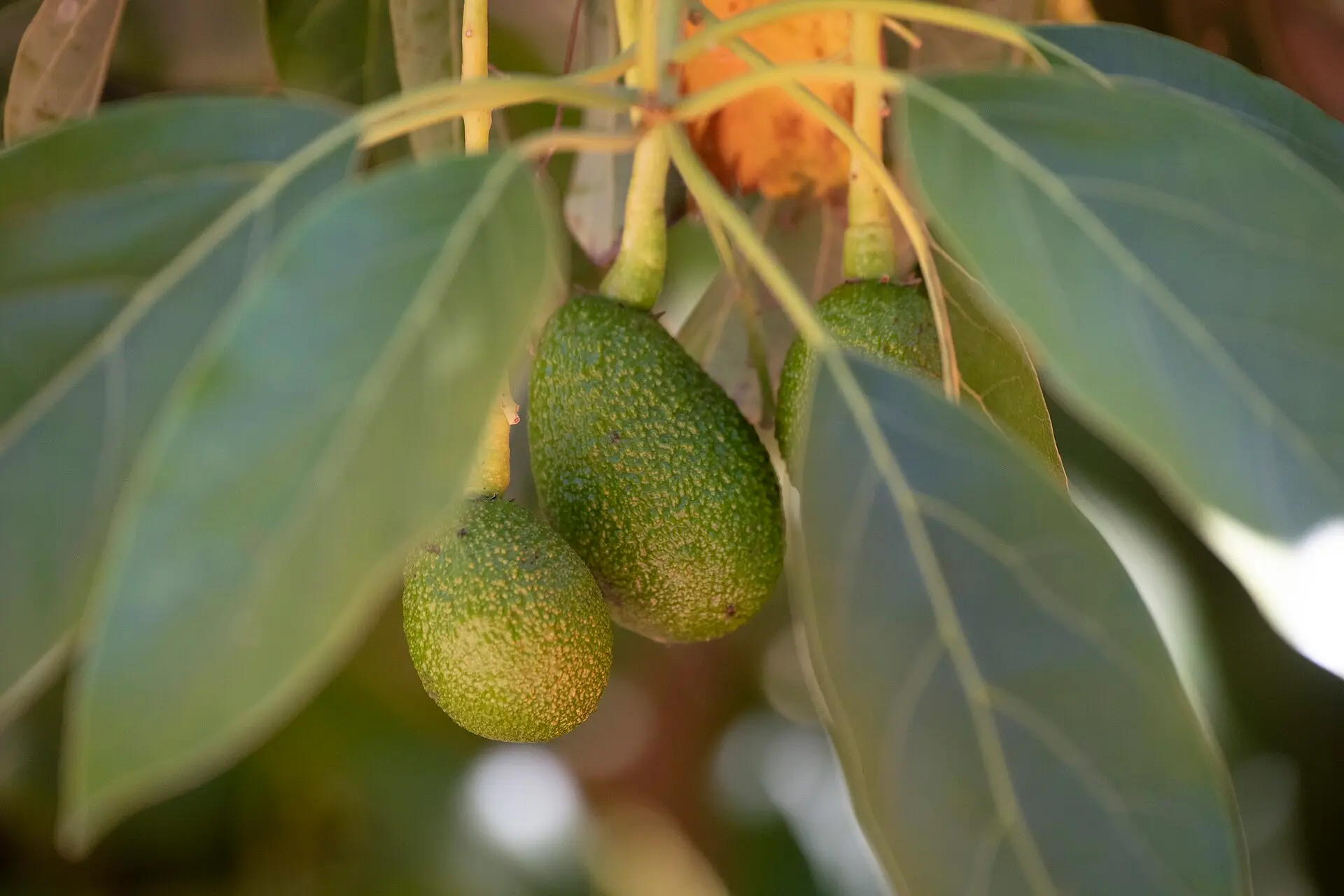
Hass is the avocado variety that most import markets ask for by name. The fruit is oval, with a thick, pebbled skin that turns from green to dark purple-black as it ripens, so traders and shoppers can see ripeness at a glance. The flesh is creamy, with a high oil content and a nutty taste. For an importer the thick skin matters most: it protects the fruit during handling and a long sea voyage, and Hass holds its quality in cold storage better than smooth, green-skinned varieties.
How we source and ship Hass avocado
We source Hass from growing areas such as Murang’a, Kiambu, Meru and Nakuru in Kenya, and Njombe, Mbeya and Kilimanjaro in Tanzania. Fruit is aggregated from farms and taken to a packhouse, where it is sorted, graded by count and packed in 4 kg cartons on pallets. Loads move in reefer containers at a controlled temperature through the port of Mombasa or Dar es Salaam. Our own team is at the packhouse to check the fruit and the packing against the order before a deal is closed.
Sea shipment windows depend on the harvest in each country and on the export rules in force. National authorities may open and close the sea export season for Hass, and each destination, including India, has its own import conditions for fresh avocado. We confirm what applies at the time of your order and state it in the written offer. All supply is subject to the rules and permits current at the time of shipment.
Maturity and quality testing before shipment
An avocado picked too early never ripens properly, so maturity is checked first. Dry matter is tested on sample fruit before harvest and packing to confirm that the lot is mature. At the packhouse the fruit is graded for size, skin defects and firmness, and fruit that falls outside the agreed class is removed. Before the container is loaded, pulp temperature is checked so that the fruit goes in properly pre-cooled.
Export consignments are inspected by the national plant health authority, which issues the phytosanitary certificate as required for export. Where the destination or the buyer requires it, pesticide residue (MRL) testing is carried out by an accredited third-party laboratory on samples from the lot. We do not rely on our own word for these checks: the results and reports are shared with the buyer before shipment.
Trade terms
- Packing
- Typically 4 kg single-layer cartons, palletised; other carton sizes by agreement.
- Minimum order
- Typically one 40ft reefer container. Bulk orders only.
- Shipment
- Reefer containers from Mombasa or Dar es Salaam to Mundra or Nhava Sheva (JNPT).
- Incoterms
- FOB Mombasa or FOB Dar es Salaam; CFR or CIF to the destination port by agreement.
- Inspection
- Independent inspection available at the packhouse and at loading; our own team is on site to check maturity, sizing, packing and container temperature settings.
- Documents
- Commercial invoice, packing list, bill of lading, certificate of origin and phytosanitary certificate, plus any treatment documents the destination protocol requires.
Frequently asked questions
01What is the minimum order for Hass avocado?
We sell in bulk only. The minimum is typically one 40ft reefer container of palletised 4 kg cartons, shipped against a confirmed order. Larger programmes can be planned as several containers across the season.
02When is the Hass avocado season in Kenya and Tanzania?
The main Hass harvest in Kenya typically runs from about March to September, with a smaller crop later in the year, and the Tanzanian season broadly overlaps. Exact dates vary by region, altitude and year, and sea shipment windows are set by the national authorities. We confirm availability at the time of your enquiry.
03How do you check that the fruit is mature and of good quality?
Dry matter is tested on sample fruit before harvest and packing, typically against a 24% minimum for Hass. At the packhouse the fruit is graded for size, skin defects and firmness, and pulp temperature is checked before the container is loaded. Residue (MRL) testing by an accredited third-party laboratory is arranged where the destination or the buyer requires it, and all results are shared with you before shipment.
04Which ports do you load from, and how long is the transit?
Kenyan fruit is normally loaded through Mombasa and Tanzanian fruit through Dar es Salaam. Transit time depends on the destination port, the shipping line and the routing available at the time, so we give the expected schedule in the written offer rather than a fixed figure. Shipments are subject to the export and import rules in force at the time of shipment.
05How do I get a quote or samples?
Send an enquiry through this website with the counts you need, the quantity, the destination port and your preferred shipment period. We reply with a written offer based on current availability. Because avocado is perishable, sample cartons and trial shipments are arranged by agreement during the season.